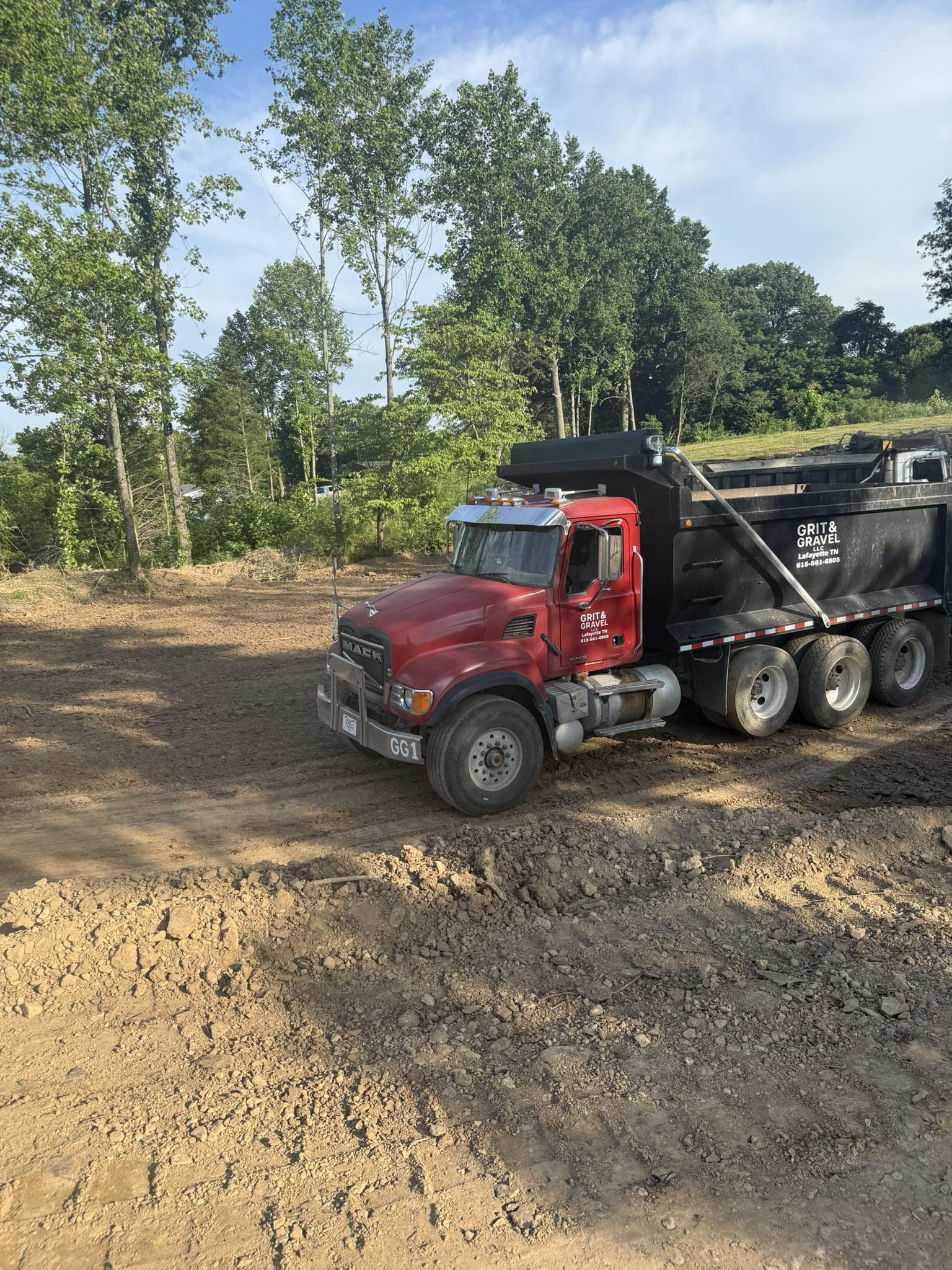
The Backbone of Smooth Operations: Integrating Fleet Management Systems in Trucking Services Jul 25, 2026
Fleet management systems offer numerous benefits that can transform the daily operations of trucking services. By leveraging these advanced technologies, companies can streamline processes, cut costs, and enhance overall productivity. At their core, these systems provide a comprehensive view of fleet activities, from real-time tracking to maintenance scheduling, which significantly aids in making informed decisions.
One of the most compelling benefits of fleet management systems is the ability to track vehicles in real-time. For companies like Grit and Gravel, where the delivery of materials and timely service is crucial, knowing the exact location of each truck provides invaluable insights. This capability not only helps in optimizing routes to reduce fuel consumption and travel time but also enhances customer satisfaction by providing accurate delivery estimates.
In addition to tracking, fleet management systems improve efficiency through automated maintenance alerts. Regular maintenance is essential for preventing unexpected breakdowns and ensuring the trucks are in optimal condition. By integrating systems that flag maintenance needs, companies reduce downtime and extend the lifespan of their vehicles. This proactive approach helps Grit and Gravel maintain a reputation for reliability, ensuring that excavation projects are never delayed due to vehicle failures.
Moreover, these systems contribute significantly to safety. By monitoring driving behaviors such as speed, sudden stops, and idling, fleet management systems can identify risky practices that may lead to accidents. The data gathered can be used to implement driver training programs, which ultimately promote safer driving habits. For trucking services, ensuring safety isn't just about protecting the drivers and equipment but also about safeguarding the company’s reputation and minimizing liability.
Cost management is another area where fleet management systems shine. Fuel is one of the most significant expenses in trucking operations. By optimizing routes, monitoring fuel consumption, and ensuring proper maintenance, these systems help reduce overall fuel costs. For businesses like Grit and Gravel, the savings can be substantial, redirecting resources to other critical areas like technological upgrades or workforce development.
Finally, integrating a fleet management system aligns with the growing demand for sustainability. As companies strive to reduce their carbon footprint, these systems assist by minimizing fuel consumption and emissions through efficient route planning and maintenance. This commitment to sustainability not only benefits the environment but also appeals to clients who value eco-friendly practices.
In conclusion, the integration of fleet management systems is not just a trend but a necessary evolution for trucking services aiming for excellence. For Grit and Gravel, incorporating these advanced systems ensures a smoother operation, allowing the company to focus on delivering outstanding trucking and excavation services. By embracing such technology, companies enhance their operational efficiency, safety, and sustainability, all while maintaining a strong customer-centric focus. As the industry continues to evolve, adopting fleet management systems will remain a pivotal step towards achieving a resilient and future-ready business model.
/filters:no_upscale()/filters:format(webp)/media/dee33ece-f458-4fac-ab9f-2800c8dcc1d9.jpeg)