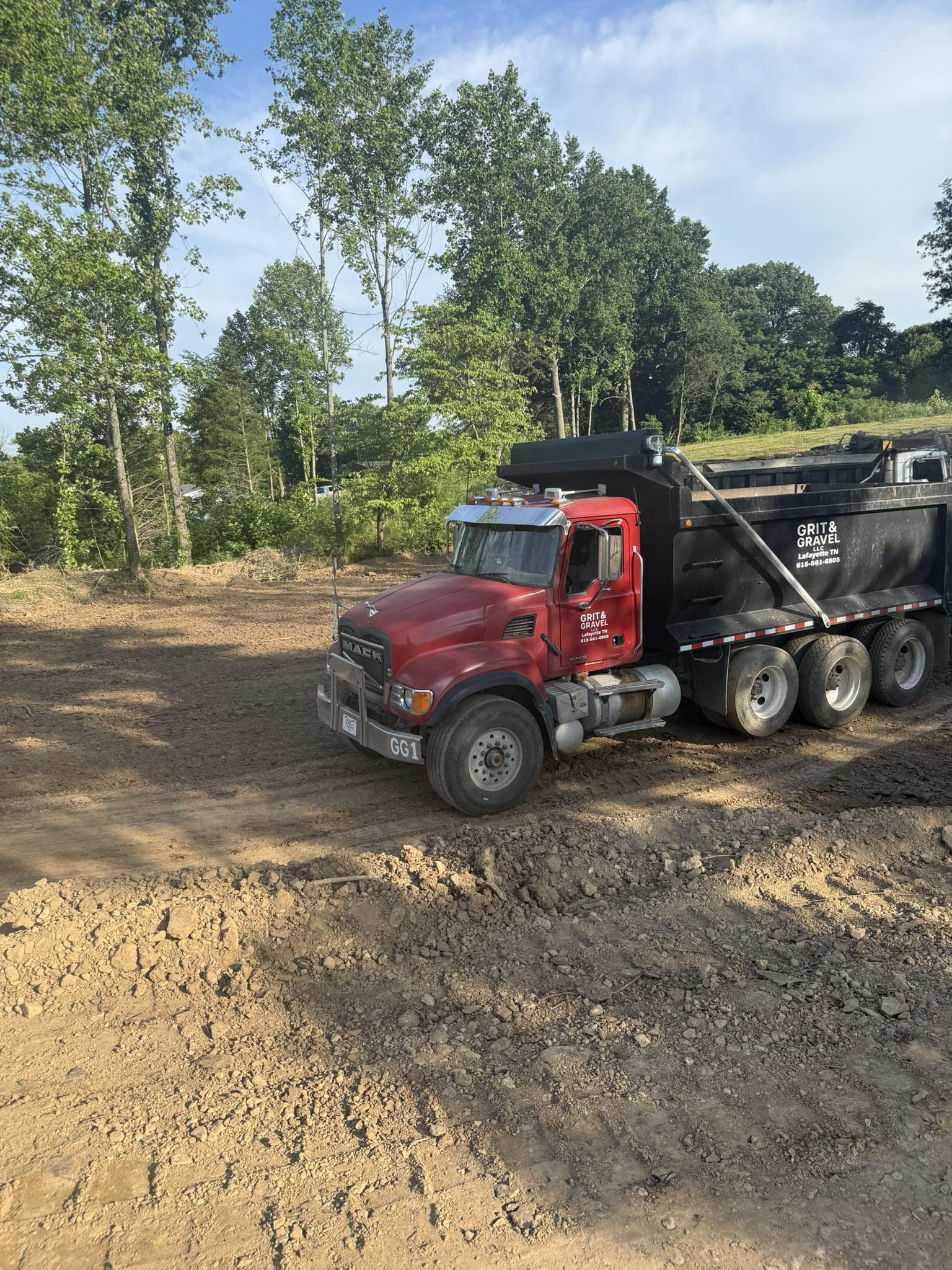
Safety First: Best Practices in Trucking and Excavation for a Safer Work Environment Jul 14, 2026
Safety must begin with comprehensive training. At Grit and Gravel, employees undergo thorough training programs that cover the essentials of both trucking and excavation safety. This includes understanding equipment operation, recognizing potential hazards, and knowing how to respond to emergencies. Regular refresher courses and safety drills are crucial in keeping the team up-to-date with the latest safety standards and techniques. Bolstering this foundational knowledge is key to reducing accidents and ensuring that everyone is aware of their role in maintaining a safe work environment.
Personal Protective Equipment, or PPE, is another vital component of safety in the trucking and excavation industry. Each team member should be equipped with high-visibility clothing, hard hats, protective eyewear, gloves, and sturdy footwear. Regular inspections of PPE ensure that all equipment is in good condition and provides adequate protection. Ensuring that the worksite has enough PPE readily available for everyone is essential in maintaining safety standards.
Inspections do not end with PPE. Routine inspections of machinery and vehicles are crucial. Before each use, equipment such as excavators and trucks should be checked for any signs of wear and tear that could lead to malfunctions. Brake systems, hydraulic operations, and steering components are especially important to inspect. Identifying these issues early can prevent potentially hazardous situations later on.
Communication is the backbone of any safe work environment. It is important for all team members to be able to clearly communicate with one another, whether on an active worksite or during transportation. The use of two-way radios or communication apps can help facilitate quick and effective exchanges of information. Establishing clear signals, particularly hand signals for use on busy sites, can enhance understanding amongst operators and other team members working in high-noise environments.
For managers and operators, creating a culture of safety extends beyond following protocols. It involves actively encouraging feedback and discussing safety concerns. Team briefings should be a regular part of the workday, allowing for open dialogue about potential risks or improvement areas. Encouraging a proactive approach ensures that safety remains a top priority and allows the team to address concerns before they result in incidents.
Finally, emergency preparedness is indispensable. Having a comprehensive emergency response plan that is regularly reviewed and practiced can make all the difference when unforeseen incidents occur. Employees should know evacuation routes, emergency contact numbers, and first aid processes. Training employees in basic first aid can also offer critical assistance when waiting for professional medical help.
In conclusion, the emphasis on a "Safety First" mindset at Grit and Gravel is not merely procedural; it's an embedded culture that drives the daily operations. By implementing robust safety training, maintaining equipment rigorously, and fostering open communication, the goal of achieving a safer work environment is not only achievable but sustainable. This careful attention to safety helps protect what matters most—our people, our equipment, and our clients.
/filters:no_upscale()/filters:format(webp)/media/dee33ece-f458-4fac-ab9f-2800c8dcc1d9.jpeg)