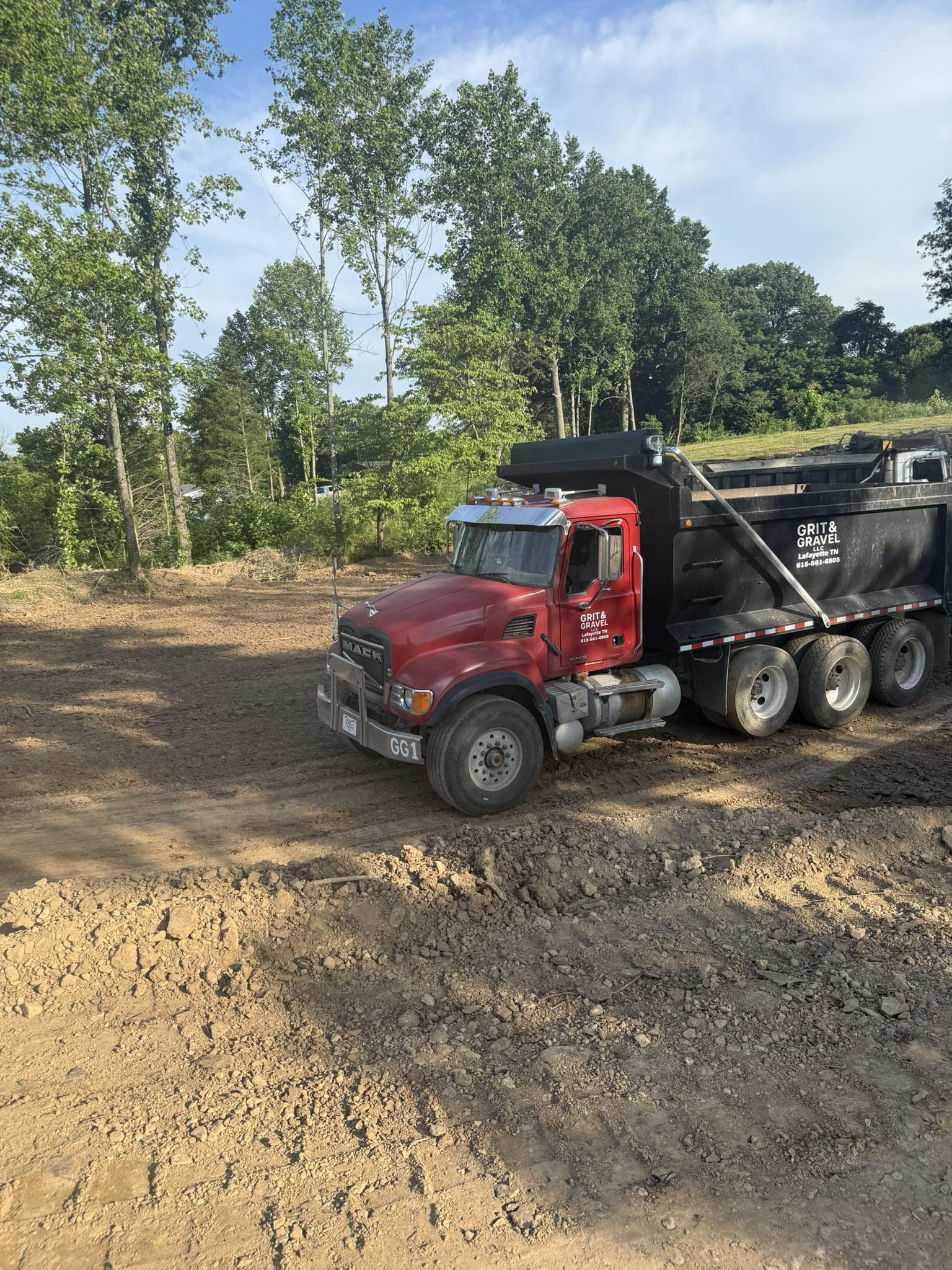
Digging Deep: The Science Behind Effective Soil Management in Excavation Aug 06, 2026
Soil management is the meticulous process of analyzing and handling soil to ensure its stability and suitability for construction. In excavation, this becomes critical because the soil must support the structure above it without shifting or settling over time. Failure to manage soil properly can lead to uneven foundations, structural damage, or even project failure. For industries relying on trucking and excavation services, understanding soil science is not just beneficial—it's essential.
The first step in effective soil management is soil testing. This process involves collecting soil samples and analyzing their composition. Soil can vary significantly across even a small site, with differing levels of sand, silt, clay, and organic matter. Testing determines these variations and identifies potential issues such as poor drainage or compaction risk. At Grit and Gravel, we prioritize comprehensive soil testing to ensure our excavation projects start on a solid basis.
Once testing is complete, soil classification follows. Classifying soil involves categorizing it based on grain size, cohesiveness, and load-bearing capacity. Common soil types include gravels, sands, silts, and clays, each presenting unique challenges during excavation. For example, clay soils are susceptible to expansion and contraction with moisture changes, which can impact structural stability. Conversely, sandy soils might drain well but lack the cohesion needed to hold slopes during excavation.
After understanding the type of soil, the next step is implementing soil stabilization techniques. This can involve various methods such as compaction, which reduces air gaps in the soil to increase its density and strength. In some scenarios, chemical stabilizers like lime or cement are mixed into the soil to improve its properties. These treatments are vital to ensure that the ground can support the weight of new structures without shifting.
Drainage is another critical aspect of soil management in excavation. Proper drainage ensures that water does not accumulate and weaken the soil's integrity. Without adequate drainage systems, projects can suffer from erosion, flooding, and a compromised foundation. Implementing reliable drainage solutions early can prevent these issues, ensuring long-term project success.
For trucking operations like Grit and Gravel, the type of soil can also affect the logistics of moving materials on and off-site. Understanding the ground conditions helps in planning the use of equipment, ensuring safe and efficient transport of materials required for or extracted from a site.
In conclusion, effective soil management in excavation is a multi-faceted science that involves testing, classifying, stabilizing, and ensuring proper drainage. By focusing on these aspects, companies like Grit and Gravel not only enhance the safety and sustainability of their projects but also optimize their operational efficiency. For anyone involved in construction or land development, recognizing the critical role of soil science in excavation is paramount to achieving successful and sustainable outcomes.
/filters:no_upscale()/filters:format(webp)/media/dee33ece-f458-4fac-ab9f-2800c8dcc1d9.jpeg)